Really enjoyed reading this, and recognise a lot of the cliques and weirdos around the Scottish music scene. The same cliques and weirdos continued to some extent into the music scene that I found myself on the outskirts of in the 1990s.
Finished: This Is Memorial Device
Finished: Say Nothing: A True Story of Murder and Memory in Northern Ireland
Picked this up after hearing it recommended on Mark Horgan's "Stakeknife" podcast. This is a fantastic read, which I devoured in a few days.
We Are The Monument
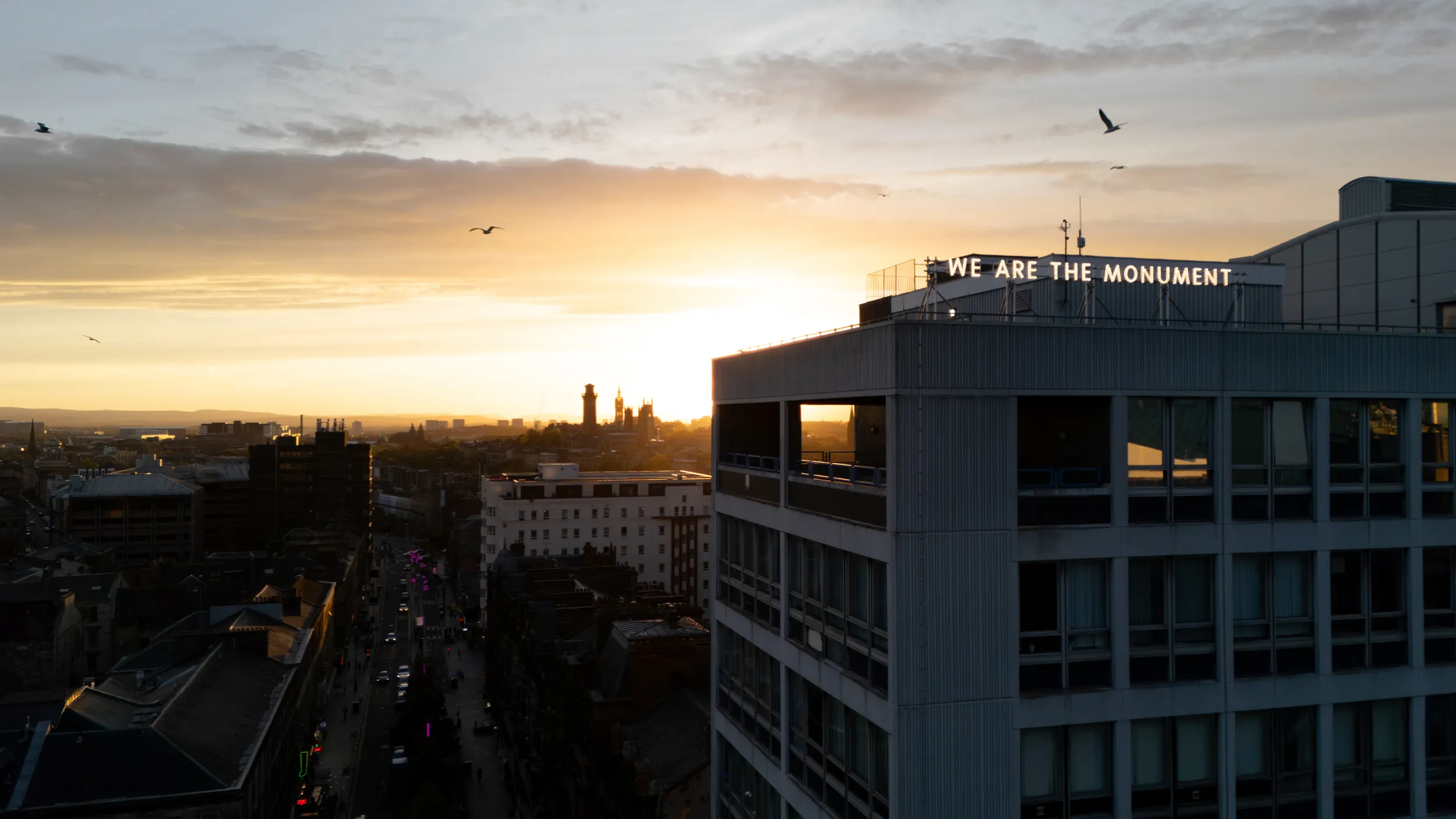
Nathan Coley's We Are The Monument looks like it just sprang up overnight in Glasgow, atop the Glasgow Dental Hospital. Admittedly, there is a Glasgow Life article promoting it, so it's not like it wasn't planned.
Innovative illuminated sculpture by internationally acclaimed Glasgow artist shines over the city
Newly installed in Sauchiehall Street, on the roof of Glasgow Dental Hospital and School, the illuminated text-based sculpture displays the thought-provoking phrase, WE ARE THE MONUMENT.
Coley has a bit about it on his Instagram, too.
“The Dead must be Remembered, but the Living are the Monument, the living who coexist in peace in ordinary times, and who save one another in extraordinary times”
I enjoy seeing some new art work in the city, and this one reminds me of Mary Ellen Carroll's It Is Green Thinks Nature Even In The Dark, which has left Glasgow residents scratching their heads for years now.
Coley studied at Glasgow School of Art, which is directly behind the Glasgow Dental Hospital, so I'm sure the location isn't an accident.
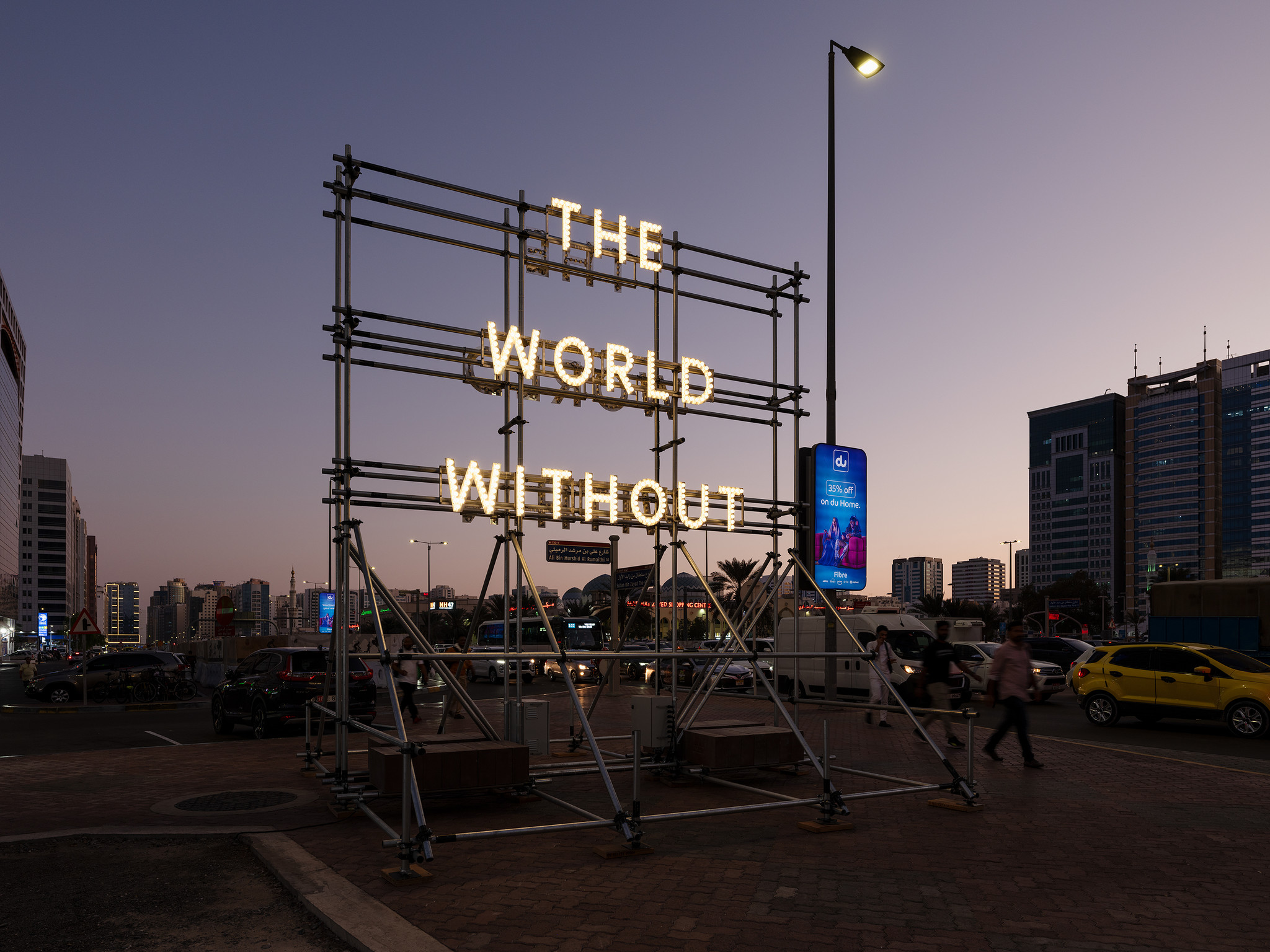
I also like his work The World Without, seen here installed in Abu Dhabi.
Finished: March: Book One
Big fan of a historical graphic novel. Excited to get my hands on the next books.
Book Shelf
I recently hired a decorator to paint my living room. Clearing out the space before he started meant all our books had to come down off the shelves and into temporary storage (where they still live, admittedly). That got me thinking about keeping better track of books I've read.
So, I've added a /shelf page to the site. It pulls my reading data from Hardcover, a book tracking service that seems like a decent alternative to Goodreads (which no longer provides an API for this kinda thing).
The page shows what I'm currently reading and what I've read, grouped by year. If I've given a book 5 stars, it has a wee "Loved it" badge beside it. If I've written a blog post about a specific book, there's a "Blog Post" link that takes you to it.
Author and series names are clickable filters, so if you want to see only books by a particular author you can do that without wading through everything else. I say that, but I've not read anywhere near as much as I'd like to over the past 10-15 years. I blame that on having a kid, and on going back to Uni in 2017.
Hardcover seems pretty new so I've no idea how long it'll be around, but it has an API and it was easy to move over to it from Goodreads, so that was enough for me.
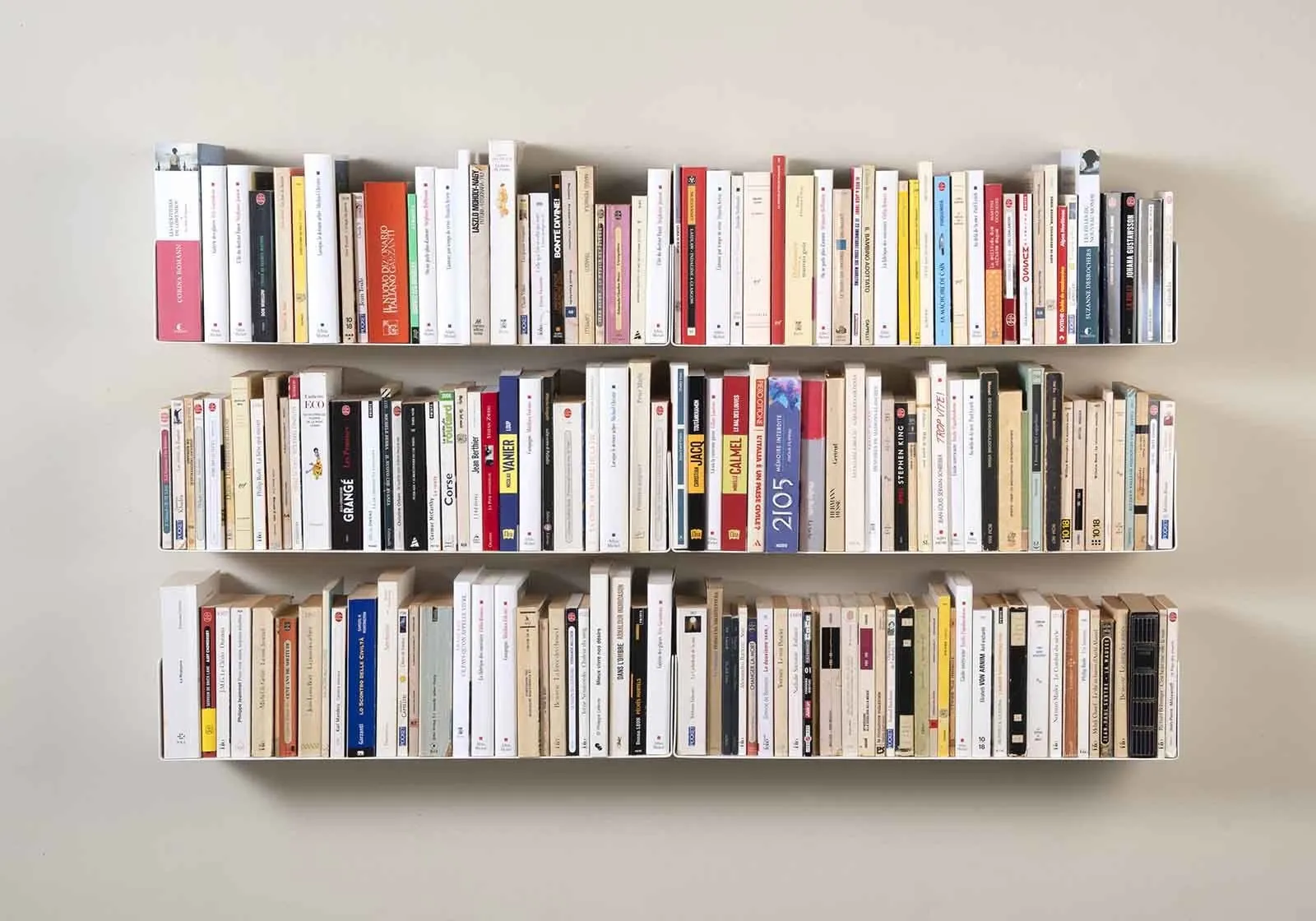
✳ Picture shown is much neater than my actual bookshelves at home.
SFA are back, but Maida Vale is going
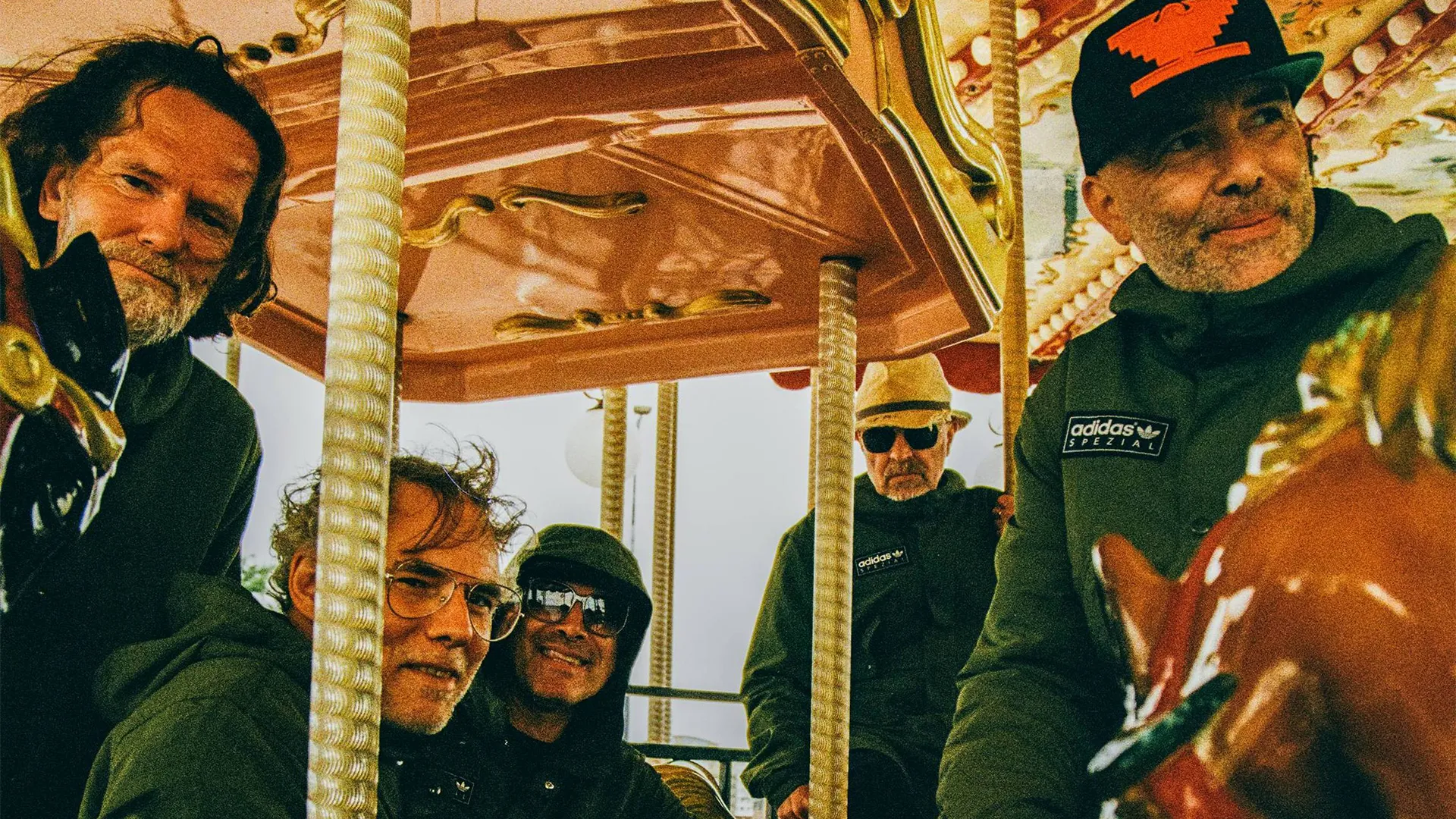
Ten years ago I saw Super Furry Animals at the Kelvingrove Bandstand in Glasgow. It was the first time I'd seen them and they paid me back by not appearing on stage again for another 10 years.
They're are one of my favourite bands but the electronic nature of some of their songs didn't fit with what I listened to when I was younger, so I initially disregarded them for too long. Funnily enough, songs like Slow Life and (A Touch) Sensitive are now two of my favourites.
I saw them again last week at Glasgow's Barrowlands. It was great, but I'm not convinced they're back for anything more than a bit of a financial leg up; it's difficult to put my finger on it, as they're not the most effusive bunch on stage, but it was quite a low-key show.
Getdown Services were the support act and they sweat enough for 3 or 4 bands so it all evens out, I suppose.
They were also at the BBC's Maida Vale Studios this week; their session for fellow Welshman Huw Stephens is on the site now. The amount of classic music recorded there must be incredible. Someone should list that somewhere, especially as it was recently sold:
In August 2023, the studios were sold to a partnership between Tim Bevan & Eric Fellner, and Hans Zimmer & Steven Kofsky.

Finished: Almost Completely Baxter: New and Selected Blurtings
50 Days Until World Cup 2026
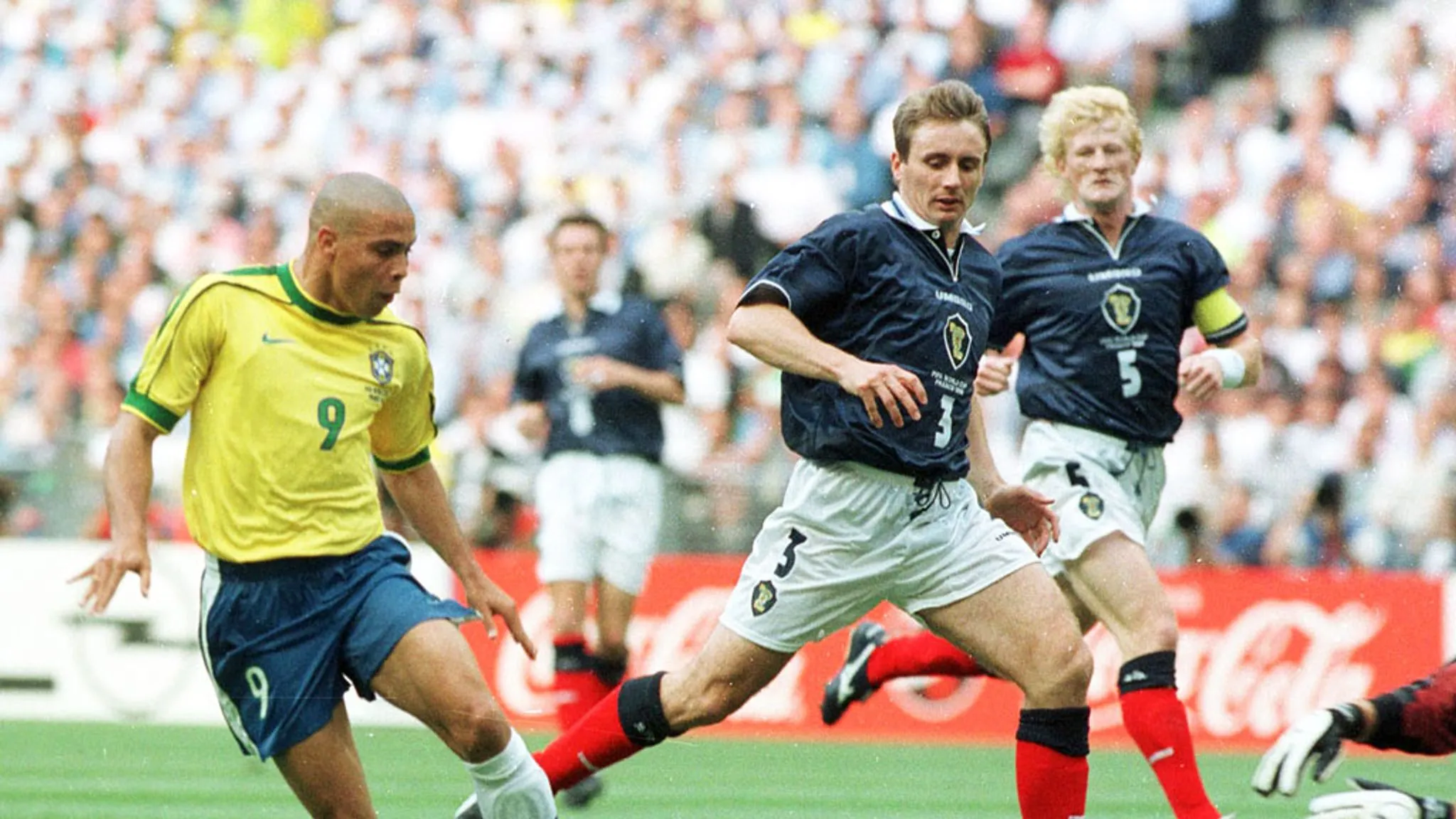
Today marks 50 days until the 2026 World Cup. Matches will take place across Canada, Mexico and the USA – and Scotland have qualified for the first time since 1998, when they faced a Brazil side with the original Ronaldo in their line-up.
If nothing else, we're going to look great. The new away kit is superb. So much so that I bought it the day it was released, the first time I've done that with any kit in probably 30 years.

Beyond that? Well, the USA seems to be having a moment, and with the costs of attending rising daily, I really wouldn't thank you for a ticket to any of Scotland's games. With the exception of a visit to New York City in September 2001, I cannot think of a worse time to be a tourist in the USA.
All that said, I did ask Claude about traveling to the World Cup as a Scotland fan, and it confidently informed me that Scotland hadn't qualified. So maybe I should stop worrying.
A: "First, worth noting that Scotland didn't qualify for 2026 — they were eliminated in the UEFA qualifying play-offs. So this is more of a hypothetical, or perhaps you're going as a neutral football fan to soak up the tournament!"
Anyway, 50 days until the World Cup starts, and 52 before Scotland's first match against Haiti in Boston – presuming that goes ahead.
After that, we'll play Morocco and Brazil, before returning home with our tail between our legs.
Brutal Scotland

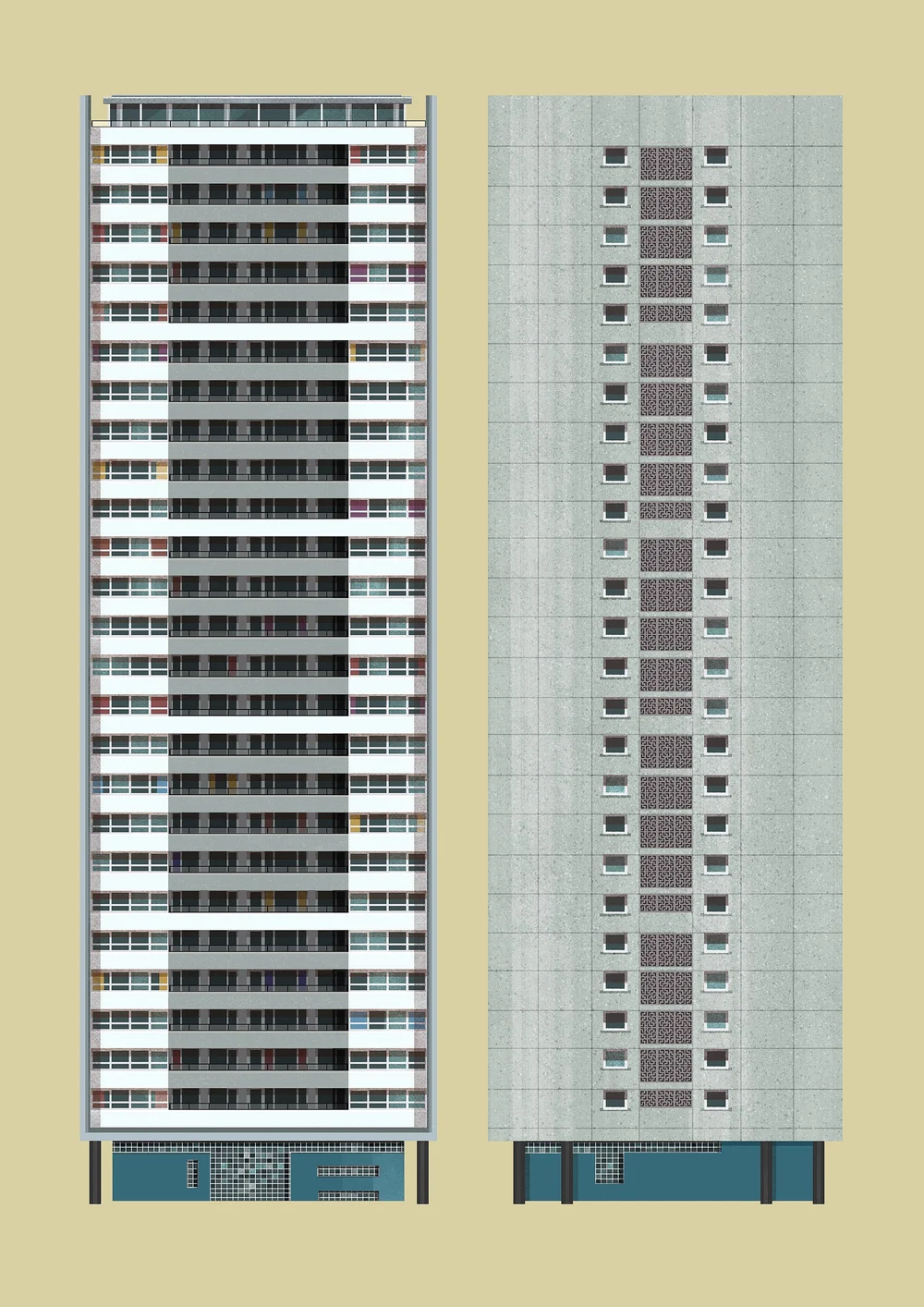
Simon Phipps' Brutal Scotland is another in his series looking at brutalist architecture in the UK. See also Brutal London, Brutal North, Brutal Wales etc. Man likes his concrete.
The work featured is currently being exhibited for free in Glasgow's Street Level Photoworks gallery.
If that's your thing, you should also check out Nebo Peklo's work. I have this print on my wall at home.
Grateful Gallery
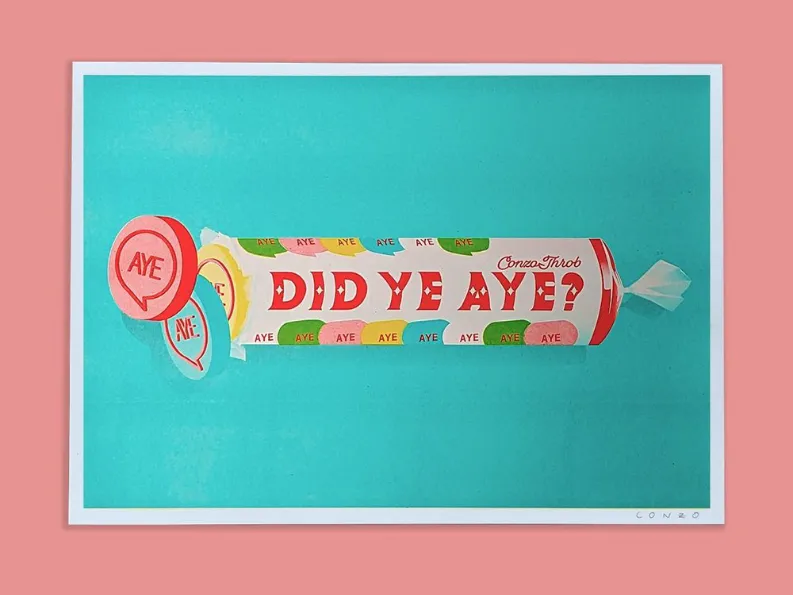
Grateful Gallery is a small, independent art gallery in Glasgow.
It's owned and curated by Glasgow artists OhPandah, Conzo and Ciaran Globel.
The image at the top of this post is by Conzo and is available to buy on his site. If you buy it, you can forego shipping and collect it directly from the gallery. Which is what I did, as it gives me an excuse to go visit for the first time.
I was reminded of the gallery as I watched this recent video by OhPandah, painting one of his Big Heids on the Custom House Quay Legal Wall.
He has more information towards the end of the video but, it seems, with the proposed regeneration of this area, the legal walls may not be there beyond the next year or two.
Bad Website Club
Starting on Friday 24 April, and with daily lessons at 3PM UTC, the folks at badwebsiteclub.com are offering to teach you how to build a website.
Bad Website Club has been running free and online developer education programs since 2020. It's run by a small volunteer team (Jessica Rose, Carmen Huidobro, and Eda Eren – also thank you to wonderful Kiri who made all the art!).
Seems like a cool way to get involved in a growing community and working through the hundreds of lessons on Free Code Camp.
Prince & Princess of Wales Hospice
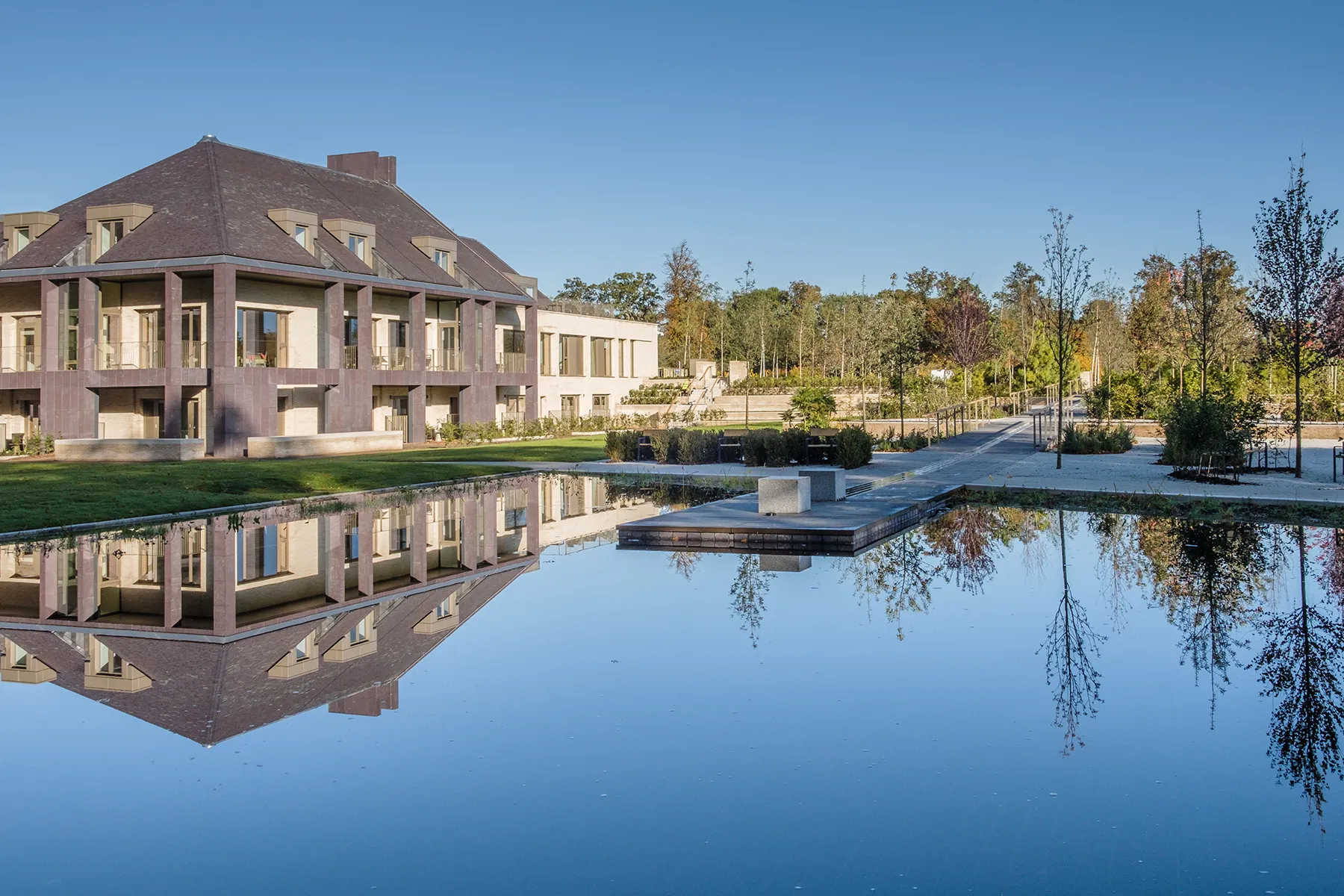
On Sunday 26 April 2026 I will be taking part in The Kiltwalk Big Stroll. I'll be walking with my family to raise funds for The Prince & Princess of Wales Hospice in Glasgow, Scotland.
We'll be raising funds on behalf of my mother-in-law, who passed away at the hospice in October 2025.
Every year, the hospice needs £9m to provide palliative care to the people of Glasgow. It receives £2m from Government funding and the shortfall comes from fundraisers.
If you're able to donate, here are links to our fundraising page, and to the hospice's own site.